Buying Guide
Dry-Aged Beef Explained: Crust, Flavor, and What You Pay For
Dry-aged steaks cost more and look stranger than anything else in the case. What happens during aging, how many days to choose, and how to cook these steaks so the extra cost pays off.

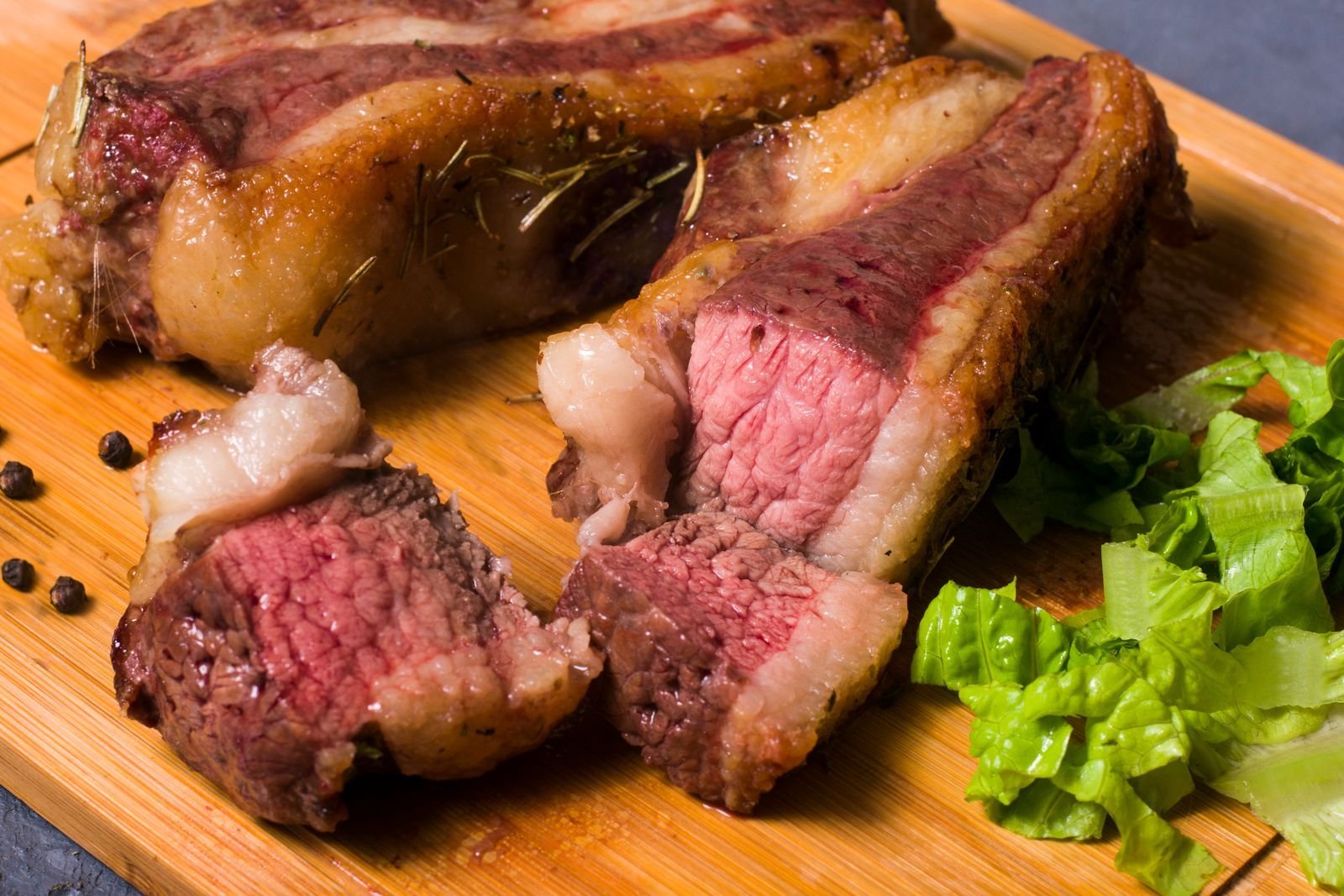
Dry-aged steaks cost more, look stranger, and inspire more questions at our counter than anything else we sell. Thick bone-in cuts like the ones in the photo show why: a dark, almost leathery rim on the outside and deep red meat within. Understanding what happens during aging helps you decide when the extra money is worth it and how to cook these steaks once you have them.
What dry aging actually is
Dry aging means holding large, unwrapped sections of beef, usually whole bone-in ribs or short loins, in a dedicated cooler for weeks. The conditions are tightly controlled: a temperature of about 34 F to 38 F, humidity usually kept between 75 and 85 percent, and constant airflow from fans. Two things happen during that time.
- Enzymes break down muscle. Natural enzymes inside the meat slowly soften connective tissue and muscle fibers. This is where most of the added tenderness comes from.
- Moisture evaporates. Water leaves the meat, concentrating its flavor, while the surface dries into a hard crust called the pellicle.
With longer aging, the flavor shifts from clean and beefy to nutty and buttery, and eventually to funky, with notes some people compare to blue cheese or mushrooms.
Why it costs more
The price reflects real losses, not just marketing. The meat loses weight as water evaporates, and before any steaks can be cut, the butcher has to trim away the dried crust, which is not pleasant to eat. On top of that, the beef occupies cooler space for weeks, and the process only makes sense on well-marbled beef with a good fat cover to protect it. You are paying for less meat, more labor, and time.
How long is right?
- 21 to 28 days: noticeably more tender, with a mild, rounded beefiness. A good introduction.
- 30 to 45 days: the sweet spot for many steak lovers. Nutty and rich, with clear aged character.
- 60 days and beyond: intense and funky. Not everyone loves it, so try a small cut first.
Dry aged versus wet aged
Most supermarket beef is wet aged, meaning it rests in its vacuum-sealed bag for a period between packing and sale. Wet aging improves tenderness through the same enzyme activity, but no moisture escapes, so the flavor does not concentrate. Wet-aged steaks taste clean and bright; dry-aged steaks taste deeper. Neither is wrong.
Buying tips
- Ask how many days the beef was aged, and ask to see the section it was cut from if possible.
- Choose bone-in cuts when you can. The bone protects one side of the meat during aging and adds flavor near the bone.
- The cut face should be deep red and firm, with no slimy feel or sour smell. The dark crust should already be trimmed away from the edges you will eat.
- Buy thick. At these prices you want a 1 1/2-inch or 2-inch steak that you can cook with control.
Cooking dry-aged steak
Because it holds less water, dry-aged beef browns faster and can go from perfect to overdone more quickly than regular beef. A few adjustments help:
- Season with salt and pepper only. The flavor of the beef is the point.
- Use a two-zone grill or a reverse sear: bring the steak slowly to about 115 F over indirect heat or in a 250 F oven, then sear hard over direct heat for about 1 minute per side.
- Aim for rare to medium-rare, 120 F to 130 F after resting. Aged fat tastes best just rendered, and cooking past medium dulls the flavor you paid for. The USDA recommends 145 F with a 3-minute rest for whole cuts if you prefer to follow that guideline.
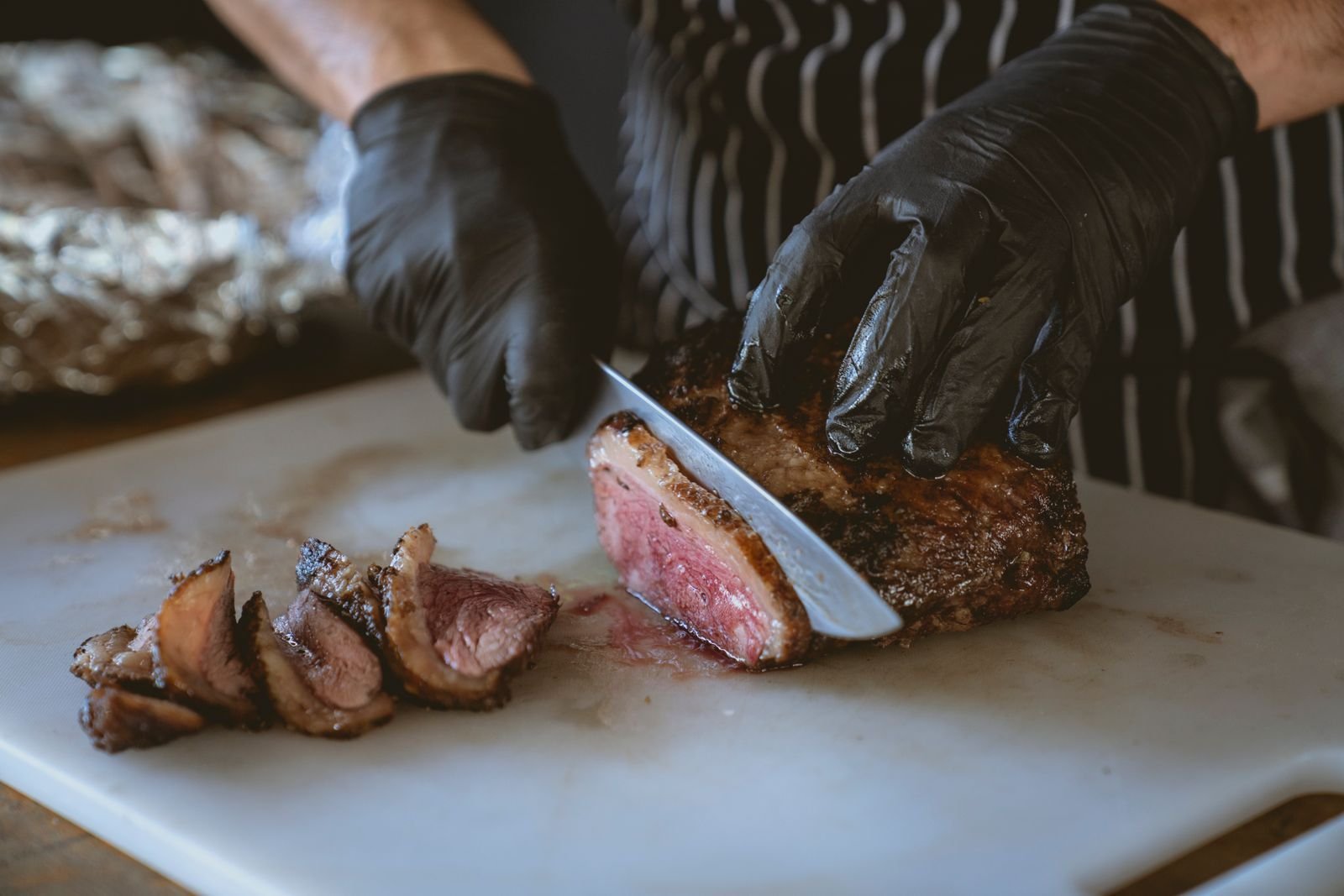
- Rest 5 to 10 minutes, then carve the meat off the bone and slice across the grain.
Can you dry age at home?
We do not recommend aging individual steaks in a regular refrigerator. Small cuts lose too much to trimming, and home refrigerators swing in temperature and humidity and are shared with other food. If you are curious, buy a dry-aged strip from a butcher and a regular strip of similar grade, and cook them side by side. That tasting will tell you more than any description.
Dry aging trades weight and time for tenderness and flavor. Whether that trade is worth it is something only your own palate can settle.